


Jackfruit - Golden Nugget
Jackfruit (Artocarpus heterophyllus)
Here it is - one of the all time top varieties of Jackfruit - The Golden Nugget!
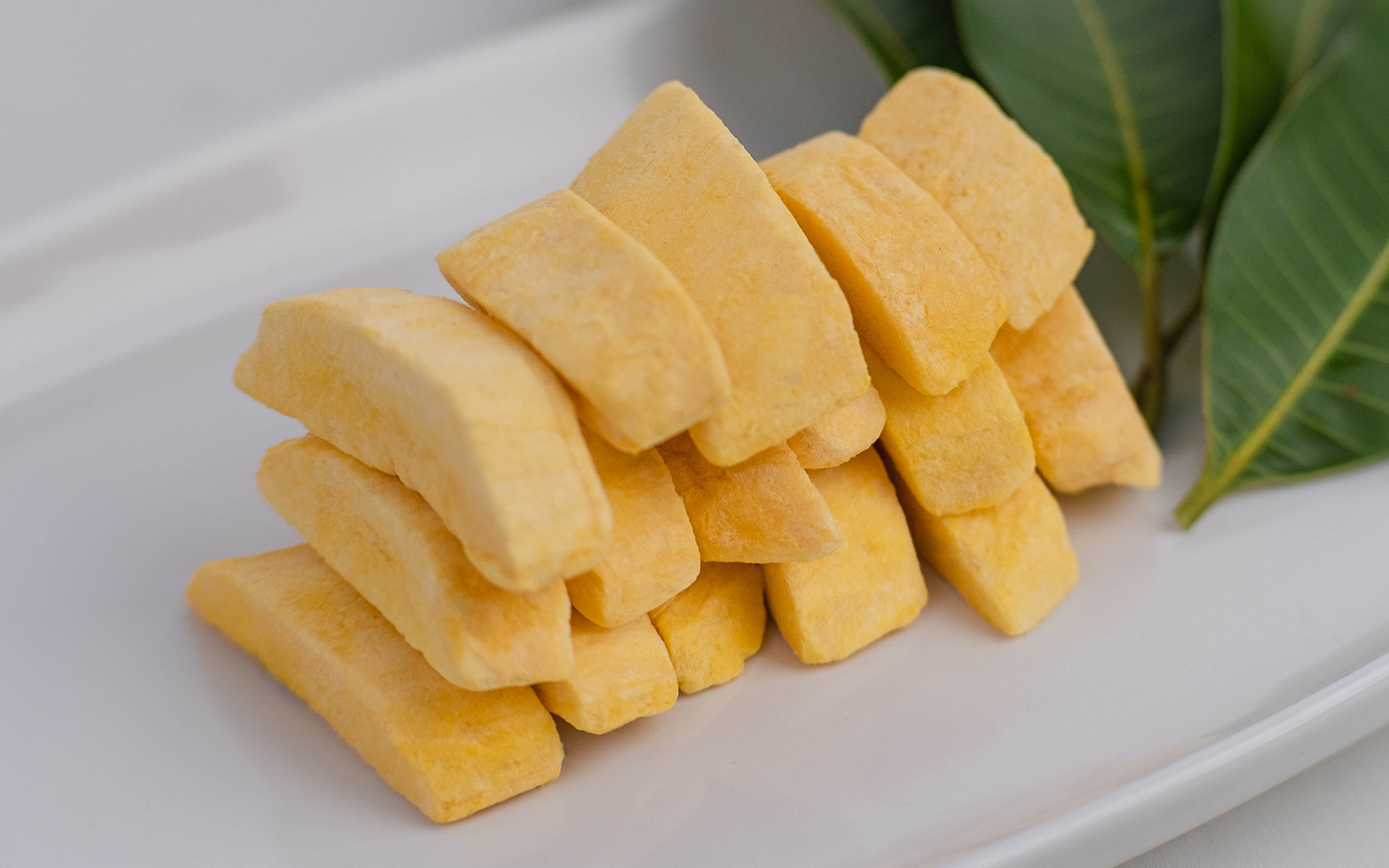
The deep orange flesh is soft to medium firm depending on fruit ripeness. The flavour is excellent, the flesh has NO FIBER, extremely sweet, aromatic, and juicy. The Golden Nugget is simply a must have for every Plant Enthusiasts' collection.
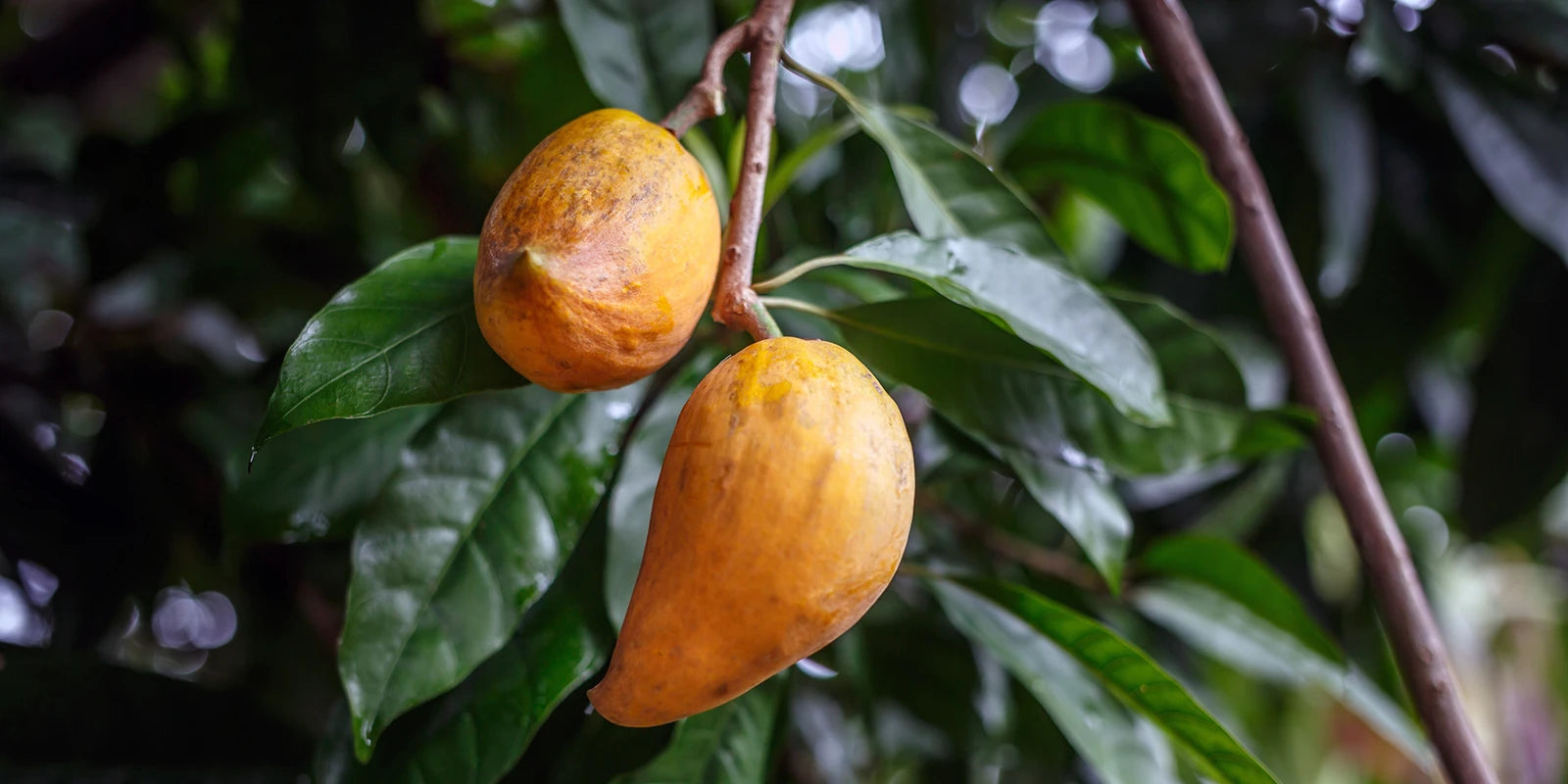
The Golden Nugget is a fast growing tree in Jackfruit family, albeit it is considered a dwarfing variety and can be kept in a container for a very long time. The tree has a distinctive dark green, rounded leaf. It forms a dense, spreading canopy, which is easily maintained at a height and spread of 2 to 2.5m. The fruit are small, green and rounded, with sharp, fleshy spines on the skin. The spines flatten to a smooth, golden-yellow upon maturity. The fruit weigh up to 6kg each with an excellent edible flesh percentage of 41%. The tree can bear between 60-90kg of fruit per year!
These plants are approx 60cm tall at present.
Disclaimer:
Although some seed grown plants are not true to type, they will still provide you with a delicious tasting fruit in years to come.
Plant Care
- Soil: Jackfruit trees thrive in deep, rich, well-drained sandy loam soil but are quite adaptable and can tolerate a wide range of soil conditions, including relatively poor soils. Ideal soil pH ranges from 6.0 to 7.5.
- Watering: Young jackfruit trees need consistent moisture to establish their root system, especially during dry spells. Once established, they are relatively drought-tolerant but produce better fruit with regular watering. Avoid waterlogging as jackfruit trees do not tolerate standing water.
- Temperature: Jackfruit is a tropical tree and does best in hot and humid conditions, typically between 25°C and 35°C. It can tolerate short periods of cooler temperatures but is sensitive to frost, which can damage the tree or kill young saplings.
- Light: Prefers full sun for optimal growth and fruit production. A sunny spot with at least six to eight hours of direct sunlight daily is ideal.
- Fertilising: Feed young trees with a balanced NPK fertilizer (such as 8-8-8 or 10-10-10) every three to four months during the growing season to support rapid growth. Mature trees benefit from being fertilized twice a year, once at the start of the growing season and again mid-season. Additional compost or well-rotted manure can help improve fruit yield and quality.
- Pruning: Requires minimal pruning. Remove dead or diseased wood, and thin out the center of the tree to allow light and air to penetrate, which helps reduce disease risk and improves fruit quality. Pruning can also help maintain a manageable size for easier harvesting.
- Mulching: Apply organic mulch around the base of the tree to help retain soil moisture, suppress weeds, and provide nutrients as it decomposes. Keep the mulch a few inches away from the trunk to prevent rot.
- Pest Control: Jackfruit trees are relatively pest-resistant but can be affected by pests such as jackfruit borer, fruit flies, and root-knot nematodes. Regular monitoring and appropriate organic or chemical controls should be used as needed.
- Flowering and Fruiting: The tree produces both male and female flowers on the same tree. Fruits grow directly from the trunk and larger branches, and can weigh anywhere from 10 to 40 kg or more. Fruit maturity is reached typically in three to eight months after flowering.
- Potting: Generally not recommended for potting due to its large size. However, dwarf varieties can be grown in large containers if space is limited, but they require careful management of watering and nutrients.
-
Feeding Regime: In addition to regular NPK fertilization, applying potassium-rich fertilizers can enhance fruit size and sweetness. Ensuring adequate micronutrients like magnesium and zinc can also support healthy growth and fruiting.
We ship our plants and garden supplies throughout New Zealand. Due to the increased costs of shipping and packaging, we now apply a delivery charge. After offering free shipping for three consecutive years, we find it necessary to adjust this policy to align with current market conditions. However, we have lowered our prices to help offset this change.
Please note, we do not ship plants or garden supplies internationally from New Zealand. We do export plants and tissue culture materials from our overseas nursery, which requires a minimum order. Please contact us at hello@exoticanz.com to discuss your specific requirements.
Shipping (plants) from:
North Island Urban $25
North Island Rural $35
South Island Urban $25
South Island Rural $35
Shipping Garden Supplies:
North Island Urban $20
North Island Rural $25
South Island Urban $35
South Island Rural $45
Delivery
- Our plants are available for shipment from September to April, depending on stock levels.
- Typical delivery times range from 5 to 7 business days, although they can take up to 10 business days depending on the destination.
- We take extra care in packaging; most of our plants are secured in bespoke inserts and shipped in individual boxes to ensure they arrive undamaged.
- Deliveries are scheduled once a fortnight, typically on Monday. If you place your order over the weekend, we aim to dispatch your plants on the following Monday. This scheduling allows our team to prepare your order thoroughly and ensures the courier has sufficient time to deliver your plants safely, avoiding any unnecessary delays over the weekend.
- All orders are shipped via courier track and trace service (not signature required)
- We cannot deliver to PO Box addresses.
- If you have a rural address, please contact us beforehand to discuss the best delivery options and avoid any potential issues.
Additional Delivery Information
- Most plants are shipped with soil. During the cooler months, we closely monitor weather conditions and may temporarily delay shipments if the weather is particularly severe. Our packing process includes adding insulation when necessary to protect the plants against temperature extremes.
- In summer, we ensure that plants are thoroughly watered before they leave our nursery. Occasionally, we may need to ship plants bare-rooted, particularly when they cannot be comfortably re-potted into smaller packaging for shipping. We will always discuss this with you in advance if your plant needs to be shipped in this manner.
- It's important to note that shipping can be a stressful experience for plants, often due to spending several days in a dark, confined space. While most plants withstand this with little to no stress, some may experience leaf drop. However, they generally recover quickly with some additional care, including proper watering and gradual reintroduction to light after arrival.


